



The evolution of gambling a historical perspective on chance and choice
The Origins of Gambling
The practice of gambling dates back to ancient civilizations, where it was deeply intertwined with societal rituals and customs. Archaeological findings from Mesopotamia reveal that dice, used for games of chance, were made as early as 3000 BCE. These early forms of gambling were not only entertainment but also served as methods for divination, indicating that chance was often linked to fate and the will of the gods. This connection laid the groundwork for the evolution of gambling as a multifaceted activity involving both chance and choice. Platforms like 1Win India demonstrate how the landscape has changed over time.
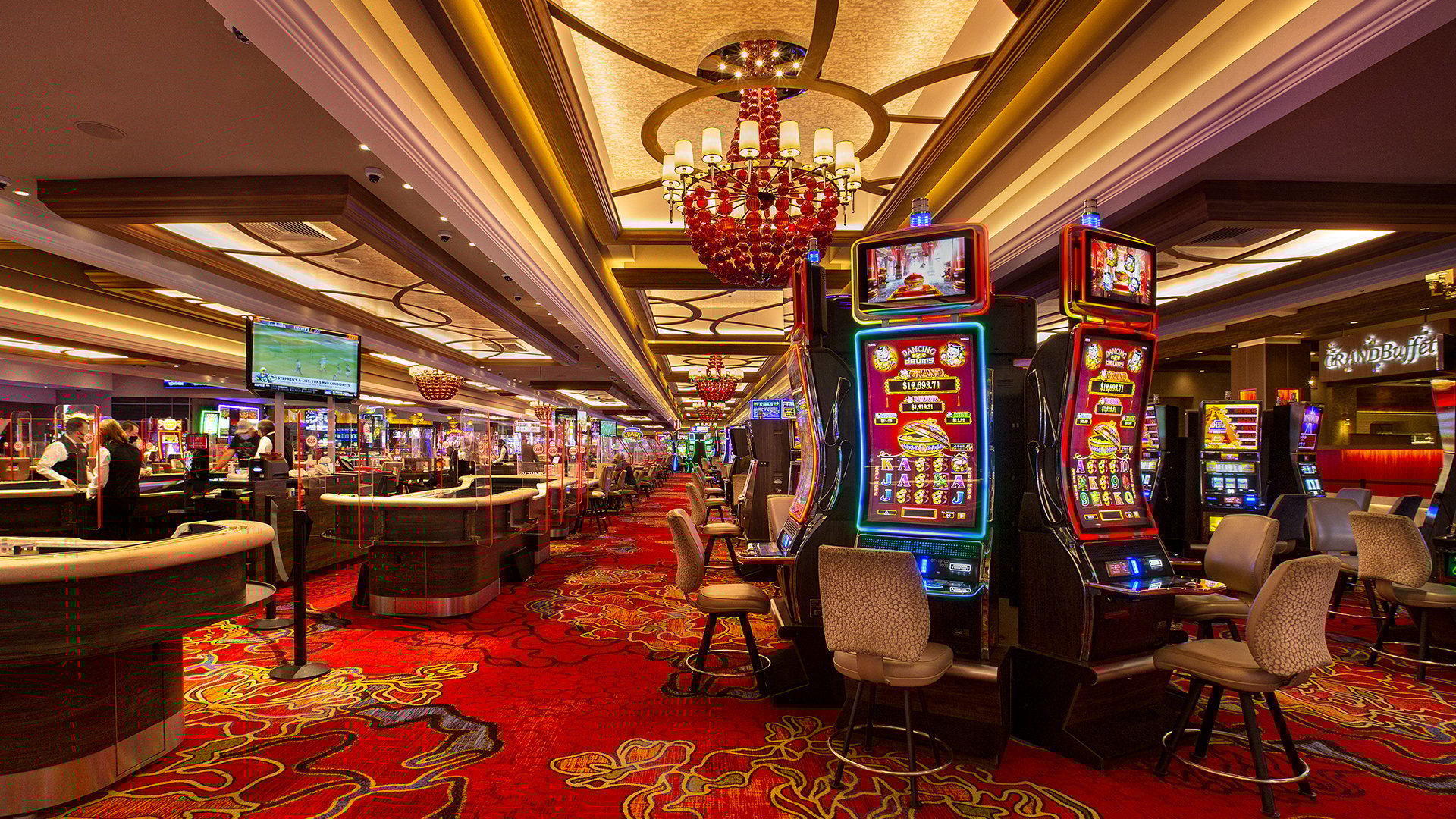
In ancient China, gambling took on a more structured form with the creation of games involving cards and tiles, further emphasizing the interplay of strategy and luck. The Book of Songs, a classic Chinese text, references gambling as a prevalent activity among citizens, highlighting its popularity. As these games spread throughout Asia, they began to evolve, incorporating regional variations that enriched the gambling landscape. This early intersection of culture and chance paved the way for modern gambling practices.
Gambling continued to flourish through the ages, with the Greeks and Romans developing organized games in social settings. The introduction of betting on athletic competitions demonstrated a significant shift in how people perceived chance. Instead of relying solely on random outcomes, bettors could influence their chances by studying athletes’ performance and statistics. This evolution marked a critical transition towards more strategic forms of gambling, setting the stage for future developments in the industry.
The Rise of Organized Gambling
The establishment of formal gambling houses in the 17th and 18th centuries marked a significant shift in the gambling landscape. The first official lottery was created in the Low Countries in the 15th century, aimed at raising funds for public projects. This notion of organized gambling soon spread across Europe, with royal endorsement legitimizing these activities. Casinos began to emerge as social venues where people could gather, play games, and place bets in a regulated environment.
During this period, games such as baccarat, roulette, and blackjack became popular among the elite, signifying a shift toward more sophisticated gambling options. The design of these games emphasized strategy, allowing players to make choices that could influence their outcomes. This evolution reflected broader changes in society, where gambling began to transition from informal gatherings to regulated establishments where chance and choice coexisted harmoniously.
The 19th century saw the expansion of gambling across the globe, notably with the opening of casinos in cities like Monte Carlo and Las Vegas. These venues not only offered games of chance but also created an entire culture around gambling, combining luxury and entertainment. As gambling became mainstream, it sparked debates around morality, economics, and social responsibility, highlighting the complex relationship society has with chance and choice in gambling.
The Impact of Technology on Gambling
The 20th century heralded a technological revolution that profoundly transformed gambling. With the advent of electronic slot machines, players experienced a new level of engagement and excitement. These machines utilized random number generators to create unpredictable outcomes, marrying chance with technology. The increased speed and convenience of electronic gaming drew in players who may have been hesitant to engage in traditional games, showcasing how technology could enhance the gambling experience.
As technology progressed, online gambling emerged in the late 1990s, creating an entirely new dimension for players worldwide. The internet facilitated access to a myriad of games, allowing users to gamble from the comfort of their homes. This shift not only expanded the reach of gambling but also introduced a range of betting options and formats that appealed to a broader audience. The blend of chance and choice became more pronounced as players could now analyze odds and strategies with online tools.
Mobile technology further revolutionized gambling by placing it directly in players’ pockets. Today’s apps offer a seamless gambling experience, integrating real-time betting options and live casino games. With the rise of cryptocurrencies and secure payment systems, players enjoy both anonymity and convenience. This technological evolution has fundamentally reshaped how individuals interact with gambling, demonstrating an ongoing dance between chance, choice, and the power of modern technology.
The Future of Gambling: Trends and Predictions
As the gambling landscape continues to evolve, several trends are emerging that may redefine the industry in the coming years. The integration of virtual reality (VR) technology is expected to create immersive gambling experiences that simulate physical casinos, allowing players to engage with games like never before. This innovation could enhance the social aspects of gambling, making it more interactive and engaging, thereby attracting a new generation of players.
Additionally, the rise of artificial intelligence (AI) is poised to impact gambling significantly. AI can analyze player behavior, personalize gaming experiences, and even assist in responsible gambling initiatives. By offering tailored recommendations and insights, AI can help players make more informed decisions, bridging the gap between chance and choice in a meaningful way. This could lead to a more responsible gambling culture while retaining the thrill of the game.
The emergence of skill-based gaming also presents exciting prospects for the future. As younger audiences seek more involvement and agency in their gambling experiences, games that blend skill with chance may gain popularity. This shift could signify a departure from traditional forms of gambling, creating new opportunities for operators to attract diverse clientele. Overall, the future of gambling is promising, reflecting ongoing changes in technology, social dynamics, and consumer preferences.

Exploring Online Gambling Platforms
Today, online gambling platforms, such as 1Win, represent a fusion of technology and gaming, providing players with a dynamic environment tailored to their needs. Offering an extensive selection of games, including slots and live casino options, these platforms cater to both casual and seasoned gamblers alike. The convenience of online gambling allows users to engage with their favorite games from anywhere, emphasizing the growing importance of digital accessibility in the gambling world.
Additionally, platforms like 1Win ensure secure transactions and user-friendly interfaces, enhancing the overall gaming experience. With features such as generous bonuses and multiple betting markets across various sports events, they attract a diverse audience. This evolution reflects a broader trend in the gambling industry, where user experience and safety are paramount, emphasizing the importance of choice in the modern gambling landscape.
As the industry continues to grow, online gambling platforms are expected to innovate further, integrating advanced technologies and player-focused features. The dual concepts of chance and choice will remain central, shaping how gambling experiences are crafted in the digital age. As more players flock to online platforms, the future of gambling will continue to be defined by the interplay of traditional practices and modern advancements, making it an exciting space to watch.