

How to Keep and Safeguard Your Air Jordan Collection
You shelled out the cash, waited through the release raffles, possibly even lined up outside a store at dawn — and now you have a expanding Air Jordan collection that is worthy of more than a jumble on the shelf. Good storing is the line between a pair that looks mint-condition in five years and one that breaks down, yellows, or deforms beyond repair. Whether you collect three pairs or thirty, grasping the threats of kick longevity — dampness, high temperatures, sunlight, and oxidation — will preserve your collection and maintain your shoes in prime condition. This article explains everything from foundational care fundamentals to pro-level preservation techniques used by committed sneakerheads. Handle your Air Jordans well, and they will reward you with many years of use and impressive aftermarket value. Let’s go through the specifics so your collection stays perfect for 2026 and many years to come.
Learning What Degrades Sneakers Over Time
Overlooking your Air Jordans while they linger in storage is the number one hazard to them — not wearing them. Polyurethane midsoles initiate to break down through chemical moisture breakdown when exposed to water vapor over extended spans, which is why unworn pairs from the 1990s frequently disintegrate completely the moment someone puts on them. Ultraviolet radiation from glass panes hastens color change on white rubber outsoles and source translucent see-through soles, most devastatingly ruinous on models like the Air Jordan 11 Concord. Thermal cycling trigger adhesives to break down, producing outsole separation where the sole comes apart from the upper. Even the Nike boxes themselves lead to damage — acids in typical Nike cardboard can tint leather and cloth over years of touching. Knowing these threats supplies you the foundation to construct a storage plan that directly combats each one.
The Ideal Storage Environment
Temperature and humidity monitoring provides the cornerstone of any serious sneaker protection plan. Work to maintain your collection between 60 and 72 degrees Fahrenheit with ambient humidity between 40 and 50 percent. A inexpensive LCD moisture gauge, obtainable for under $15, enables you watch parameters and alerts you if dampness climbs into dangerous territory. Basements and detached garages are the most harmful environments because they see the biggest temperature variations and hold water vapor that hastens midsole crumbling in midsole foam. A HVAC-controlled room, extra room, or specific closet with reliable air movement makes the ideal home for any collection. If you reside in a tropical zone like the southern United States or Southeast Asia, keeping a mini dehumidifier uses just a few dollars per month in power and gives outstanding coverage. Dim rooms are also ideal since removing light exposure preserves soles pristine and stops leather from drying out.
Must-Have Preservation Supplies
| Supply | Purpose | Approximate Cost | Replacement Frequency |
|---|---|---|---|
| Silica gel packets | Absorb moisture, prevent hydrolysis | $8–$12 per 50-pack | Every 3–6 months |
| Acid-free tissue paper | Maintain shoe shape, prevent creasing | $10–$15 per 100 sheets | Once a year |
| Clear drop-front boxes | Dust protection, visibility, stackability | $6–$10 each | 5+ years |
| Cedar shoe trees | Wick odor and humidity, preserve shape | $15–$25 per pair | 2–3 years |
| Digital hygrometer | Keep tabs on humidity and temperature | $10–$15 | Swap battery once a year |
| UV-blocking window film | Block UV rays that cause yellowing | $20–$40 per roll | 3–5 years |
Storage Container Choices
The container you choose matters more than most new collectors realize, because it fundamentally regulates the microenvironment around your pairs. Original Nike shoeboxes offer minimal shielding — pH-imbalanced box material that offers no shield against moisture or debris. Transparent front-opening polypropylene containers have turned into the go-to choice among shoe fans because they are non-acidic, easy to stack, and allow you check on your collection without pulling off each case. For top-tier protection, sealed containers with silica gel inside actively pull leftover moisture and sustain dry conditions around each pair. Vacuum-sealed pouches function for multi-year storage but can flatten cushioning and modify structure if left indefinitely. Hardwood display cabinets with glass fronts provide an beautiful showcase that also shields against UV and debris. Whatever container you pick, never place Air Jordans in sealed plastic bags without ventilation, as locked-in dampness worsens oxidative yellowing and invites mold and mildew growth.
Packing, Forming, and Wrapping Methods
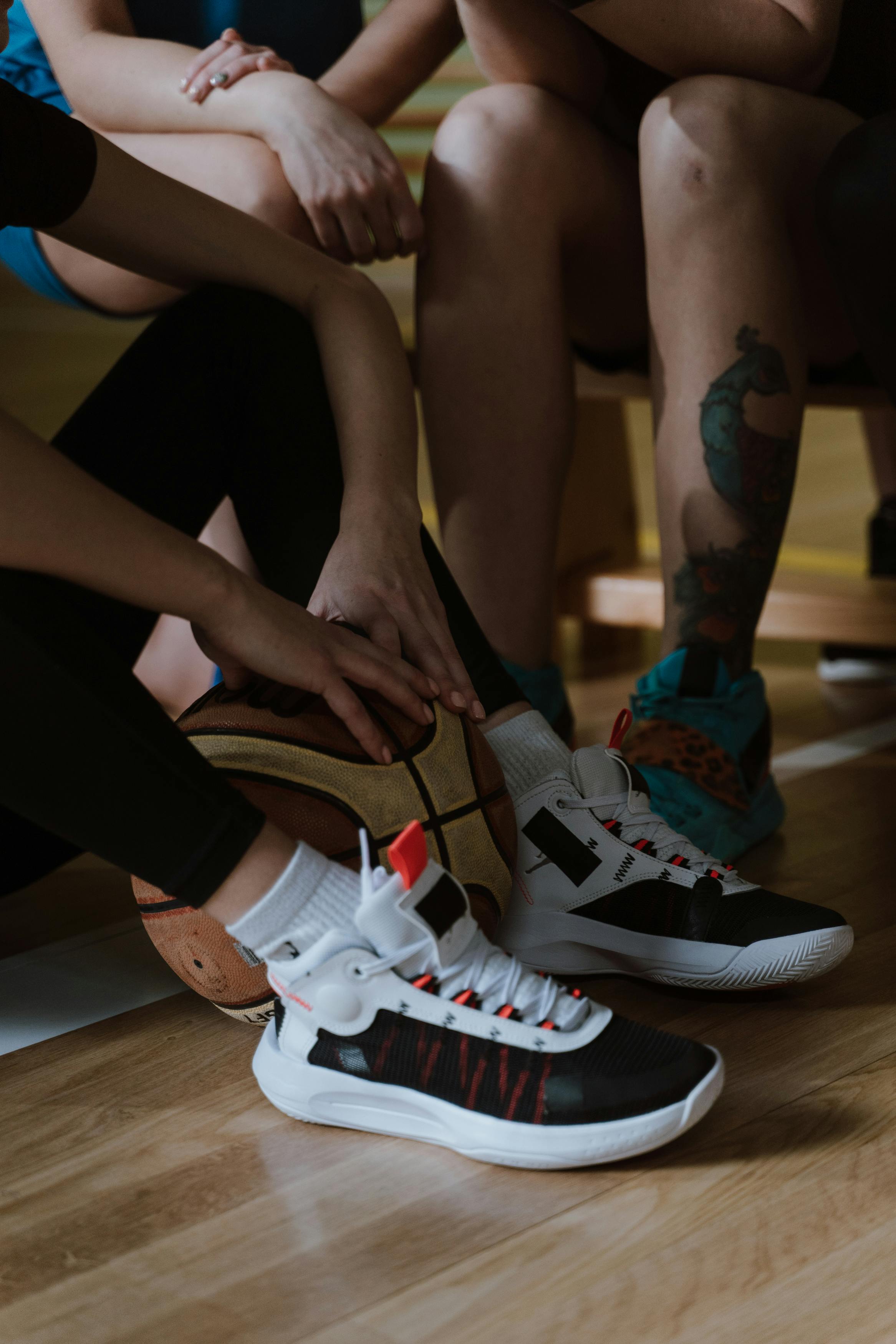
Before placing any pair into your storage setup, take a moment to ready them appropriately. Pull out the factory tissue paper inside new Air Jordans and replace it with archival tissue, as factory paper may have substances that leach onto interior lining. Fill the front of the shoe well but not aggressively to retain the original profile and stop severe crease lines from sitting over weeks and months. Cedar shoe trees are excellent for commonly rocked pairs since cedar naturally wicks humidity and odor, but they can be excessively weighty for low-weight models like the Air Jordan 1 Low. For valuable pairs, surround the shoe gently in conservation tissue before placing it into the container to prevent touching. Set shoes with relaxed laces or remove laces altogether to lower stress on lace holes and shoe tongue. If you own patent leather Jordans like the Air Jordan 11, encasing them apart from other shoes avoids the glossy finish from clinging to next-door items.
Tackling Yellowed Soles
The most typical cosmetic challenge enthusiasts encounter is discoloration, especially on silhouettes with translucent outsoles or white-colored soles. The leading factor is oxygen exposure — a chemical process between rubber molecules and O2 that produces a yellow cast over time. Preserving shoes with moisture absorbers in hermetic containers noticeably inhibits oxidation by lowering exposure to humidity and outside air. If oxidation has already appeared, formulas like Salon Care 40 Volume Creme Developer combined with UV lamp treatment can correct minor oxidation through “sole saucing.” Dedicated footwear restoration specialists charge between $50 and $150 for de-yellowing using industrial gear. Shops like Kicks on the Court provide postal refreshing including sole sauce treatment, thorough cleaning, and sealant addition.
Extended Storage for Investment Pairs
If you are saving Air Jordans exclusively as an resale investment, the storage strategy needs to be more disciplined. Preserve the pair completely deadstock — shoes, laces, and all attachments pristine inside the original box with retail tags and bonus laces. Put the original box inside a bigger sealed storage box with four to six moisture absorbers to decrease oxidative damage and dampness. Place the container in the darkest, most climate-controlled location accessible, ideally an interior closet away from perimeter walls where temperature shifts most. Check these pairs every three to four months, refreshing desiccant packets and checking for oxidation, delamination, or mold spots. Capture shoe condition with time-stamped photographs as evidence for later resale on platforms like GOAT or StockX. Adhering to this system, collectors have maintained pairs in actual deadstock form for over a decade, protecting top secondary market value.
Common Pitfalls to Watch Out For
Even seasoned collectors occasionally make storage mistakes that result in losing hundreds of dollars in destroyed shoes. Storing shoes near furnaces like space heaters or hot attics where temps exceed 110 degrees Fahrenheit causes glue to degrade and soles to bend without any fix. Showing off Air Jordans on open shelves without UV filtering subjects them to continuous sun damage that turns yellow soles within a matter of months. Using old newspaper to stuff shoes deposits print ink onto the lining and provides no dampness protection. Piling weight on the boxes deforms the shoe’s structure and creates permanent indentations in the forefoot. Sealing shoes while remaining sweaty from moisture or sweat brings moisture right into a sealed box, setting up optimal conditions for mold growth. Most importantly, the “store and never check” approach is the most certain route to disappointment, because even the most carefully designed storage arrangement demands regular inspection.